

The Sour Mead: An Unexpected Journey
In a hole in the ground there lived a…
No. Sorry, wrong Journey.
In the back of the Meadery there was a drum.
Not some old dirty drum, just sitting around getting nasty. This drum was filled with honey. Beautiful, golden, sweet honey. All thick and gooey, just waiting to become Mead like all the other drums around it. There were a lot of drums of beautiful honey, so this drum waited patiently for its turn, idly passing the days by itself. Or, so we thought.
You see, honey has a superpower. Nasties can’t grow in it. Yeast, bacteria and other stray microbes can’t live in honey because it is so thick and gooey. Normally, honey has a moisture content of 15-17% which is very low and very unfriendly to the little organisms that can cause trouble. Normally.
Sometimes, the honey the bees give us needs a little help, so the beekeeper usually dries the honey to the proper moisture content. Usually.
Most of the time, if the moisture content is a bit high it doesn’t matter too much if it is used right away and mixed with other drums. Most of the time.
This drum of beautiful, golden, sweet honey was not as thick and gooey as it should have been. It was… moist. Not too moist, mind you. But moist enough. Sitting quietly, waiting patiently our little drum made a friend. In fact, it made lots of friends and they all had the same name: Lactobacillus.
And the drum kept its new friends a secret.
Finally, the day came and our hero was going to be made into Mead. Along with some of its drum friends, a bunch of water and some yeast our barrel started on his Journey. An Expected Journey to a destination we all knew and loved. And, in our brand new tanks!
This was to be our first batch of 1,000 gallons of delicious Mead. It was going to be great – until it wasn’t. The drum’s secret friends woke up and got to work. When the batch was done we tasted it and were… surprised. The yeast had made defiantly “mead.” But the secret Lacto had made it sour. This was not good.
And, so, we set off on a VERY Unexpected Journey.
The Alchemist will take it from here…
Recent Posts

Unplanned, we had stumbled onto an entirely new style of mead - Sours. The base mead has a distinct flavor to it. Far less sweet and a little tart.
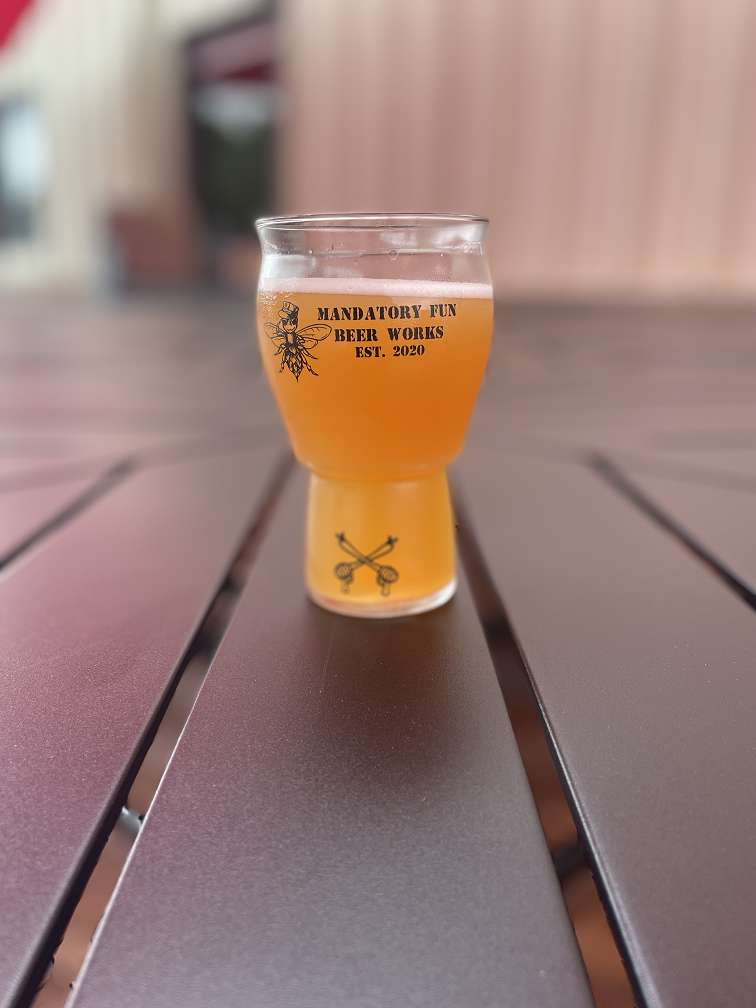
We have chosen to expand the operation by creating Mandatory Fun Beerworks, a Viking Alchemist Experiment. The mission for our beerworks will be to uncover beer secrets that can only be unlocked by adding honeys.

The Alchemist team went to work in earnest. Along with the first “regular” sour mead, we had already made Bliss, Ethereal and Skol before we knew about the souring, so we had plenty of raw material to work with. We set ourselves a challenge to create a Tasting Flight of 5 new sours.

Part Two: A strain of Lactobacillus came along for the ride and now found itself in a most hospitable environment. It didn’t announce its presence for several weeks into fermentation when its souring waste products began to make their presence known to my tastes and alert me to this malfeasance present in my brew.

This drum of beautiful, golden, sweet honey was not as thick and gooey as it should have been. It was… moist. Not too moist. But moist enough. Sitting quietly, waiting patiently our little drum made a friend. It made lots of friends and they all had the same name: Lactobacillus.

A good sour mead is going to keep ALL of the best traits of a melomel. There is a smooth body, a warm feel with light fruit flavor. But the underlying sweetness is complemented with a tartness. Sour is a misnomer.. It’s not so much sour as less sweet or slightly tart.

Though it is not definitive, there is an accepted belief that the term “honeymoon” is rooted to the European tradition of gifting a newlywed couple a gift of mead. Long before a honeymoon became synonymous with a vacation getaway, north and western European cultures were treating the first month of marriage as a mad dash towards fertility.

There are currently about 200 meaderies in the US, today. Modern meaderies have been creating spectacular flavors that our ancestors could only have imagined. In a good meadery, you will find a breadth of profiles ranging from sweet to dry. The most modern addition has been carbonation.

It’s a challenge to explain mead to your friends, so we’ve put together some suggestions and hints on how to convert them to the cause.

The quest to find something new is at the heart of the craft industry. Customers and trade, alike, will go to lengths to uncover the new latest brew and have that rare opportunity to seize on on the latest trend. While there is always something new happening, it doesn’t mean things aren’t planned and scientific.

In a word… no.
There are no clinically proven health benefits to mead. Historically, though, mead has been believed to be healthy to both drink as well as to make into healing tonics.

Mead is like a kissing-cousin to beer. Both of them are brewed and fermented in a similar way, more so than wine. But like wine and beer, mead exists in it’s own category. BUT, it is more akin to beer than wine because of it’s consistency and habits.
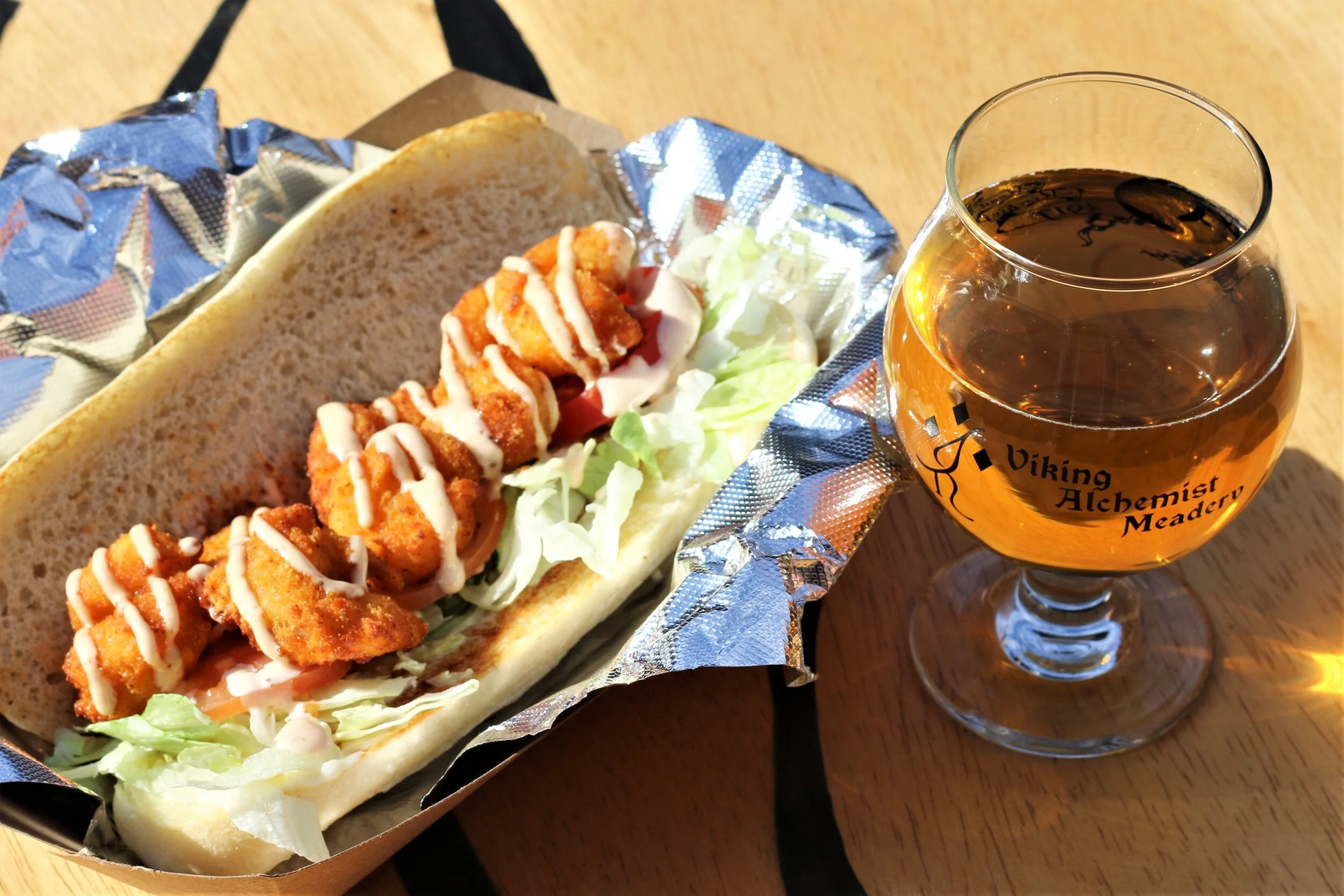
Wine pairing is a pretty well-known pass time. Most people know red wine with meat, white wine with fish. What’s less known is how to pair meads and ciders and what to consider. It’s similar, but not really the same because of the wide variety.

As our program has become more and more popular, we thought it would be helpful to understand more about how the process works, the considerations and what to look for. This isn’t going to be heavy science about lactones and phenols, but more of a “friendly” way to understand barrel aging.

For a beer, a session is between 3-5%, but for a mead a session is still almost 6.5%. Though half our normal ABV (alcohol by volume) it is still pretty strong beverage.

In the trade, and sometimes on the menu, you’ll see different names given to different drinks. Some things you know… Cider, beer, mead. But sometimes drinks pop up on our menu that are more unusual. If you just want to drink something and enjoy it, ignore the names! Everything is good. But if you want to become discerning and know what each designation means, read on. We’ll clear some things up.

All our meads will improve, over time. As the mead sits in the bottle, it will undergo a “mellowing” process that allows some notes to come forward, while others retreat. The core composition will never change nor will the basic flavor, but the tones will fluctuate.